

Structured Cabling
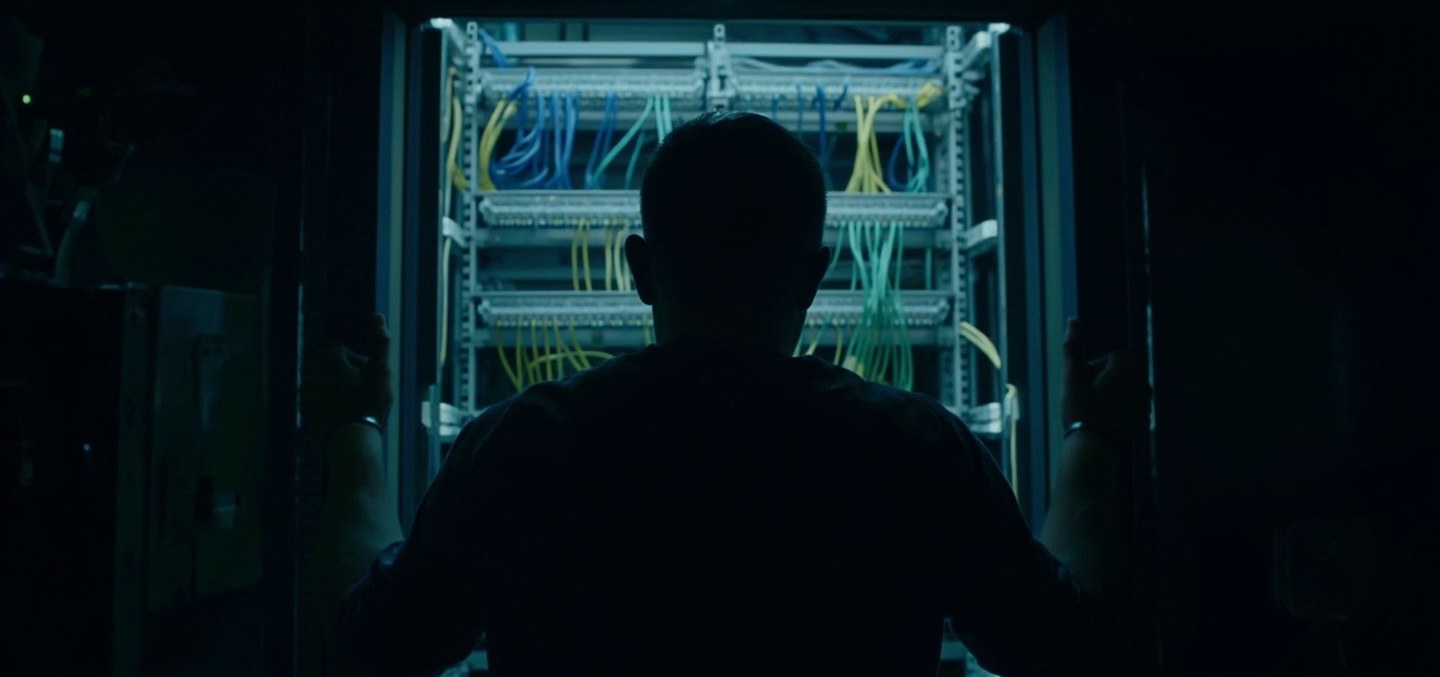
Standardized fiber, copper, and patch-panel cabling, with network architecture and VLAN strategy planned by business zone. Outlets, labels, and cable routes are designed once and locked in.
Solution · IT Infrastructure Services
End-to-end low-voltage integration services for retail stores and factories: structured cabling, network rooms, access control, surveillance, and public address—delivered by a single team with unified standards and complete documentation, ready for cross-region replication. New store openings and plant go-lives no longer depend on juggling multiple contractors.
Solution Positioning
Low-voltage systems are the physical foundation that keeps your stores and factories running—office networks, production segments, access control, surveillance, and PA all rely on the same cable trays, cabling, and equipment rooms. As a focused sub-solution under our IT Infrastructure Services, Zhaoxun Information delivers end-to-end low-voltage integration from survey, design, and deployment through testing, acceptance, and operations handover—eliminating the coordination overhead caused by inconsistent subcontractor standards and unclear accountability.
We design network architecture and VLAN strategy by business zone, and unify structured cabling, network room build-out, and subsystems like access control, surveillance, and PA under one consistent standard—codified into a reusable low-voltage delivery template. For clients operating multiple stores or plants, this means new sites can simply follow the existing standard rather than starting from scratch each time.
Founded in 2022, Zhaoxun Information is an ISO/IEC 27001:2022 certified company and Sangfor Gold Partner. In our low-voltage projects, we hold the same line on standardized documentation, labeling, and configuration management—what we deliver isn't just a network that 'works,' but infrastructure you can understand, manage, and operate with confidence.
Service Scope
Standardized fiber, copper, and patch-panel cabling, with network architecture and VLAN strategy planned by business zone. Outlets, labels, and cable routes are designed once and locked in.

Covers room siting, environmental monitoring, rack deployment, and a complete labeling system—so the core equipment environment stays controllable, auditable, and maintainable.

Multiple sites share one delivery template: head office defines unified selection and acceptance criteria, and every site follows the same installation specification in parallel—so delivery quality stays consistent regardless of which crew is on site.

Selection, deployment, and integrated commissioning of common low-voltage subsystems—access control, surveillance, and PA—managed under the same network foundation to reduce multi-vendor coordination.

Complete as-built documentation and operations checklists, paired with training and an operations manual—so your internal team can take over day-to-day operations immediately.
Delivery Process
On-site survey of outlet locations and cable routes. Combined with business zoning, we produce cabling topology, VLAN plan, and equipment list—ready for design review.
Cable tray laying, cable pulling, rack installation, and patch panel termination—executed to a unified specification, with progress records archived in parallel.
Fiber and copper link testing, equipment commissioning, and subsystem integration verification. Item-by-item and overall acceptance are organized; issues are closed out before handover.
Handover of as-built documentation and operations checklist, administrator training, and delivery of the operations manual and equipment configuration backups.
24/7 fault intake with remote and on-site support, along with capacity expansion and renovation assistance, and ongoing maintenance of the campus low-voltage asset ledger.
Every stage is verifiable and traceable—take over the moment handover is complete.
| Phase | Key Deliverable | Description |
|---|---|---|
| Survey & Design | Outlet schedule, cabling topology, VLAN plan | Covers information outlets, cable tray routing, and the per-zone network architecture; construction begins after design review approval |
| Installation & Deployment | Installation logs, cable labels, rack layout diagram | Unified labeling system; cable tray laying and termination fully documented with clear accountability |
| Testing & Acceptance | Link test reports, subsystem integration records | Fiber and copper tested link by link; access control, surveillance, and PA integration verified; handover only after issues are closed |
| Documentation Handover | As-built docs, operations checklist, operations manual | Paired with training and configuration backups so your internal team can take over daily operations directly |
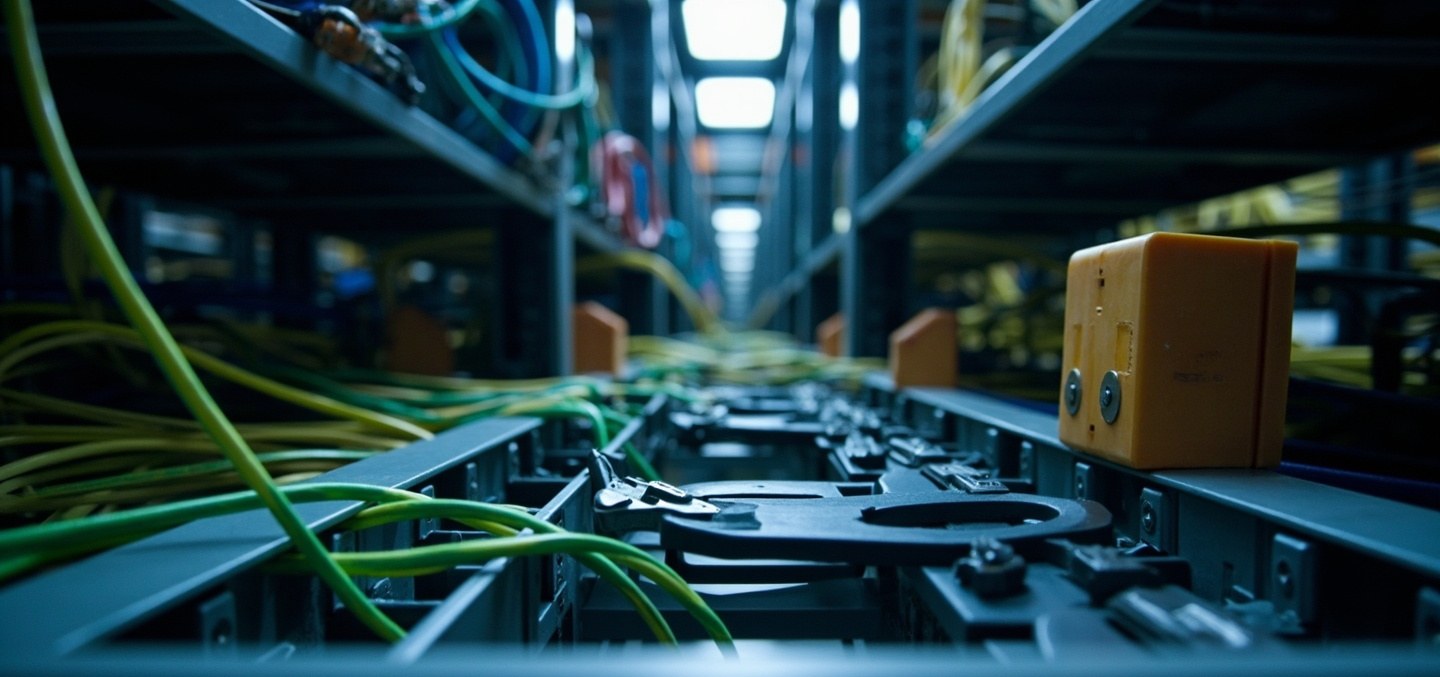
From cable tray routing and cable bundling to patch panel termination, every step follows a unified specification. Installation and test records are kept on-site in real time—consistent workmanship, clear accountability, and full traceability.

Office, production, and guest segments are isolated via VLANs, with clear core and access tiers and well-defined boundaries. The topology diagram is delivered with as-built documentation, giving you a solid basis for future expansion and renovation.
Delivery Models
When opening new stores, the low-voltage scope follows the existing template directly: cabling, surveillance, access control, and PA deployed in one pass, with testing and acceptance completed before opening. Outlet and equipment ledgers are visible to head office, so new sites don't have to reinvent the delivery process.
FAQ
Yes. We first survey the existing cable trays, cabling, and equipment rooms to assess reuse potential and retrofit risks, then propose a zone-by-zone implementation plan with cutover windows—minimizing impact on daily office and production operations.
Before construction, we confirm zones and time windows with the business side and proceed zone by zone. Critical link cutovers are scheduled during off-hours or planned downtime, with rollback plans in place—formal switchover happens only after acceptance.
Yes, you can choose what you need. We recommend reserving subsystem conduits and outlets during the network and structured cabling phase—so later additions don't require opening walls again, keeping cost and schedule under control.
Complete as-built documentation and an operations checklist—including the outlet schedule, cabling topology, link test records, equipment configuration backups—plus training and an operations manual. Your internal team can take over daily operations directly.
Yes—and that's the core value of this solution. The same low-voltage standard and installation specification are reused across every site, so whether you're opening a new store or renovating an existing one, execution follows one template for a consistent cross-region experience.
Submit your requirements and our engineers will discuss scope, scenarios, and budget with you, then deliver a survey-based design and implementation proposal.