
Today's Briefing
The key takeaway today: both AI attacks and AI usage are slipping out of enterprise control. On the attack side, open-source frameworks can now autonomously carry out 25 intrusions and have affected at least 19 organizations. On the usage side, adoption is happening before procurement policies, as Chinese employees start paying out of pocket for work-related models. Compute capital continues to ramp up, and the $74 billion campus investment alongside Nvidia's leadership change is a reminder that upstream dependencies and bargaining structures will shift together.
Market Trend: Compute Capital Continues to Concentrate Among a Few Buyers
SpaceX plans to invest more than $74 billion in two supercomputing campuses and says AI business revenue already exceeds half of its total revenue, as compute capacity is locked in early by a few giants through self-built facilities. In the same period, Nvidia CEO Jensen Huang has resigned and CFO Colette Kress has taken over temporarily; Kress had repeatedly expressed reservations about a $250 billion-scale proposal involving OpenAI. Even upstream suppliers are managing risk concentration, so enterprises' compute budgets for next year should assess supply concentration and long-term contract terms together.
Industry Spotlight: AI Spending Reaches Individuals Before Policy Does
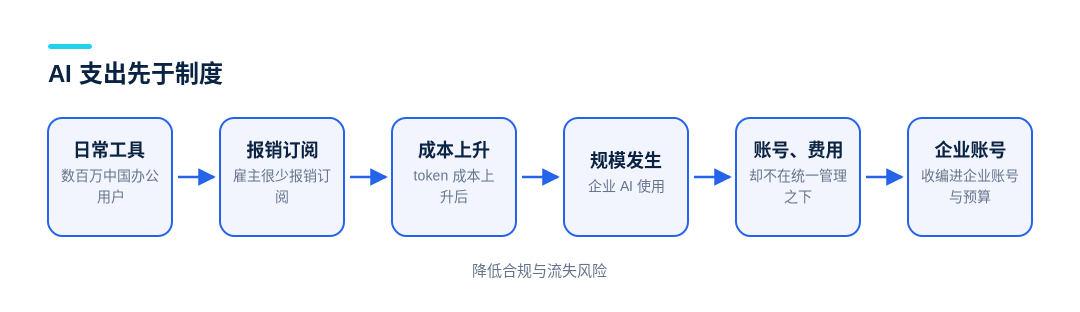
Generative AI is already a daily tool for millions of Chinese office workers, but employers rarely reimburse subscription and API costs; as token costs rise, these are becoming a hidden “second rent” for employees. This shows that enterprise AI usage is already happening at scale, while accounts, costs, and data remain outside unified management. Bringing existing personal subscriptions into corporate accounts and budgets will reduce compliance and loss risk more effectively than waiting.
AI Updates: Gateway Strategies and Multi-Model Catalogs Advance in Tandem
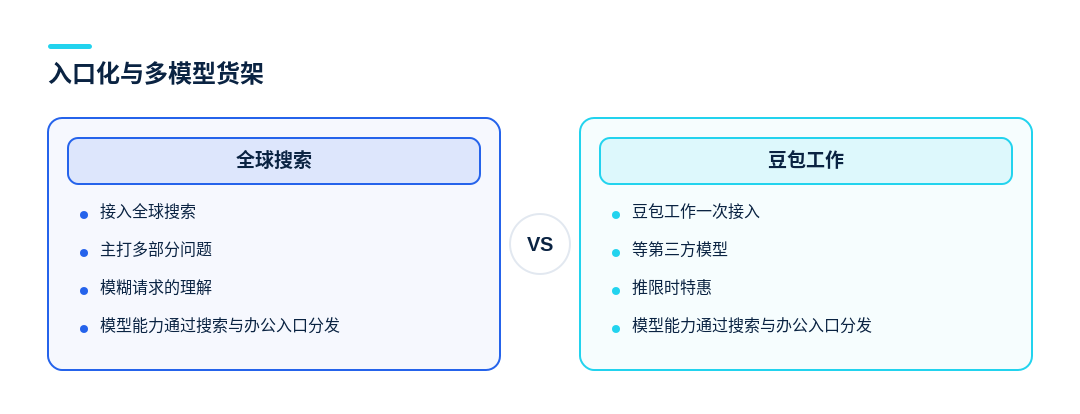
Google is integrating Gemini 4 Hydrogen into global Search, focusing on understanding multi-part questions and ambiguous requests; Doubao Work has integrated third-party models including Kimi K3.1 Pro, GLM 5.3, and DeepSeek V4.1 Flash at once and launched a limited-time offer. Both signals point to the same trend: model capabilities are being distributed through search and office gateways, and enterprise selection is shifting from the model itself to the gateway and switching costs, making price comparison and lock-in terms more important.
Security Landscape: AI Attacks Shift from Tool Leaks to Industrialization
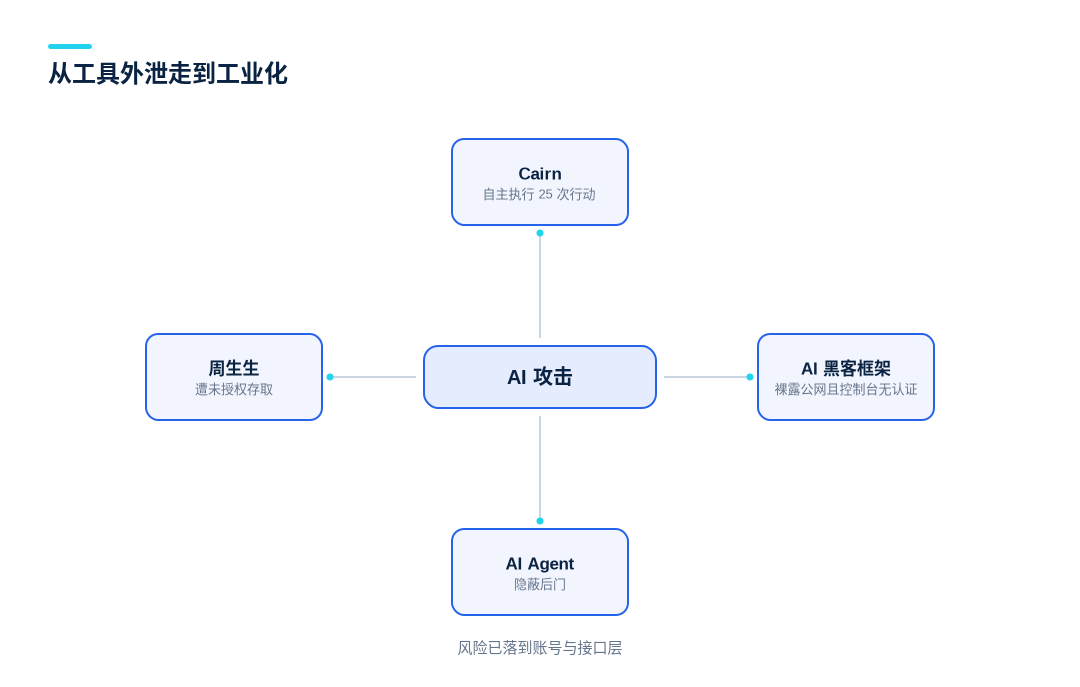
The attackers tracked by Unit 42 used the open-source framework Cairn to autonomously execute 25 operations against at least 19 organizations; a FreeBuf morning briefing shows that multiple AI hacking frameworks are exposed on the public internet with unauthenticated consoles, and Microsoft also demonstrated a covert backdoor for AI agents. Combined with unauthorized access to Chow Sang Sang's membership and e-commerce systems, the risk has reached the account and API layer. We recommend prioritizing checks of internet-exposed AI services, third-party agent permissions, and membership data access logs.
Today at a Glance
- Selected items
- 8items
- Thematic groups
- 3groups
- Sources covered
- 8sources
- SpaceX two-campus investment
- 740×$100M
Market & Industry Watch
Jensen Huang Resigns as Nvidia CEO; CFO Kress Takes Over Temporarily
TMTPost's morning briefing, citing sources, reported that Jensen Huang has resigned as Nvidia CEO, with CFO Colette Kress taking over temporarily. The Information reported the same day that, as the company's finance chief, Kress repeatedly raised reservations about high-risk deals pushed by Huang and sought to prevent Nvidia's financial risk from becoming overly concentrated in a few companies, including a proposed plan to provide $250 billion-scale funding to OpenAI.
Upstream capital strategy may shift from aggressive expansion to risk control; enterprises should reassess exposure to large long-term compute contracts and single-vendor dependence.
SpaceX to Invest Over $74B in Two Supercomputing Campuses
Reuters reported that SpaceX plans to build two supercomputing campuses in Texas and Arizona, with total investment exceeding $74 billion: the Texas Starbase project at over $24 billion and the Cochise County, Arizona project at about $50 billion. The report also said SpaceX's AI business revenue has exceeded half of the company's total revenue.
Compute continues to be locked in by a few large buyers through self-built facilities; GPU and power delivery cycles and rental prices should be included in next year's budget assumptions.
Chinese Employees Pay for AI Subscriptions as Token Costs Become Hidden Expense
TMTPost reported that generative AI has become a daily tool for millions of office and professional users in China, but employers rarely reimburse related subscription and API costs; as token costs rise and become harder to predict, this spending is turning into a “second rent” that employees pay to get work done.
AI usage is already happening ahead of procurement policy; enterprises should bring personal subscriptions under unified account, cost, and data compliance management as soon as possible.
AI Updates
Gemini 4 Hydrogen Comes to Google Search Worldwide
Google announced that Gemini 4 Hydrogen is being introduced into Google Search worldwide to handle multi-part questions, spelling errors, and highly specific requests; the company says answers will be more helpful and intuitive. The Verge reported that the new model can break down questions and respond point by point, and is being made available to AI Ultra paid subscribers in the Gemini app, AI Mode, and Antigravity.
Changes in how search gateways organize answers and cite sources will directly affect enterprise brand visibility and information verification workflows.
Doubao Work Integrates Third-Party Models Including Kimi, GLM, and DeepSeek
On November 12, Doubao Work announced official integration of multiple third-party models, including Kimi K3.1 Pro, GLM 5.3, and DeepSeek V4.1 Flash, and launched a limited-time promotional plan. This means office AI platforms are shifting from a single in-house model to a multi-model catalog, allowing users to choose different models by task at the same gateway.
Multi-model integration raises platforms' bargaining power, and enterprise selection shifts from “choosing a model” to “choosing a gateway”; before renewal, verify switching costs and data flows. See AI Radar (/ai-radar/pricing) for the latest price and plan comparisons.
Security Incidents
Palo Alto Tracks Autonomous AI Attack: 25 Operations Hit 19 Organizations
Palo Alto Networks Unit 42 reported tracking a large-scale attack in which attackers used the open-source AI penetration-testing framework Cairn to autonomously execute 25 operations against at least 19 organizations. Researchers believe this confirms industry concerns about agents being weaponized, with attack automation and tempo now exceeding human-operated levels.
Attackers can now replicate intrusion workflows at low cost; enterprises should move external attack surface scanning and AI asset inventory ahead of alerts.
Multiple AI Hacking Frameworks Exposed Online; Microsoft Shows Covert Agent Backdoor
A FreeBuf morning briefing reported that multiple AI hacking frameworks are running on publicly accessible servers, with some consoles lacking authentication, allowing attackers to use them directly for automated intrusion and data theft—a very high risk. The same briefing noted that Microsoft researchers demonstrated a covert backdoor technique for AI agents that can persistently control agents without changing their normal behavior.
Unauthorized AI tools and agent integrations are becoming a new gateway risk; check internet-exposed internal AI services and third-party agent permissions.
Chow Sang Sang Systems Breached; Member and E-Commerce Data May Be Leaked
Chow Sang Sang announced on November 12 that it first identified unauthorized access to its systems on November 9, with customer and employee data potentially extracted; affected systems include its membership system and official e-commerce channels. The group said it has contained the activity, strengthened system security, and engaged cybersecurity experts to investigate and recommend improvements.
Membership and e-commerce systems are retailers' most concentrated personal information assets; post-incident compliance reporting and customer communication timing also affect brand costs.
Follow Zhaoxun
Get daily AI and Information Security insights; contact us for security build-out needs.