
AI Insights
Today's Highlights
Capital and enterprise procurement are raising the bar simultaneously: Unity has received an approximately US$25 billion acquisition offer, while due diligence around the H200 chip transaction chain is under scrutiny; meanwhile, service-provider access points, public code repositories, and connected devices continue to expose risks. What management should focus on today is not a single hot term, but the fact that external dependencies are becoming a shared driver of cost, compliance, and operational continuity.
Market Trends: Capital and Compliance Scrutiny Tighten Together
The approximately US$25 billion offer from Silver Lake and the Saudi Public Investment Fund for Unity shows that major investors are willing to place high valuations on software assets; doubts over verification of H200-related buyers have brought the end users and approval chains for high-value AI chips into the spotlight. Companies should review both post-merger licensing costs and chip procurement compliance, rather than focusing only on valuations and compute availability.
Industry Trends: Enterprise AI Enters R&D Collaboration
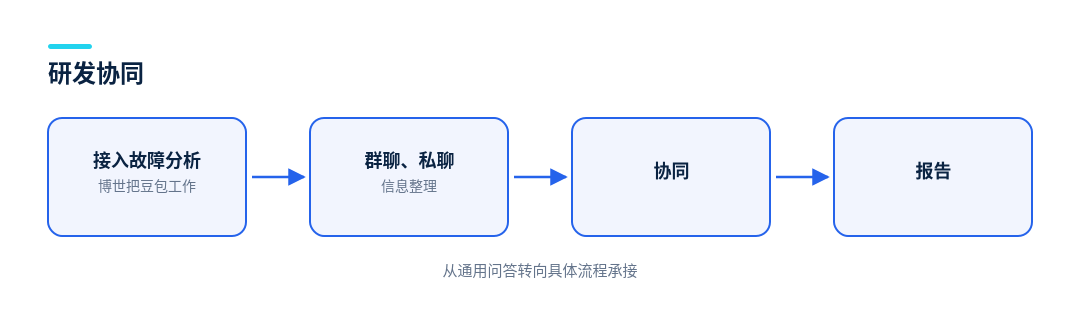
Bosch has integrated Doubao Work into fault analysis, taking on tasks such as organizing information from group chats and direct messages, coordinating follow-up, and preparing reports. This shows that enterprise AI procurement is shifting from general-purpose Q&A to specific workflow execution. For managers, pilots should first define human review, data boundaries, and acceptance metrics, so that “someone is using it” is not mistaken for business value.
AI Update: Agent Governance Becomes a Prerequisite for Deployment
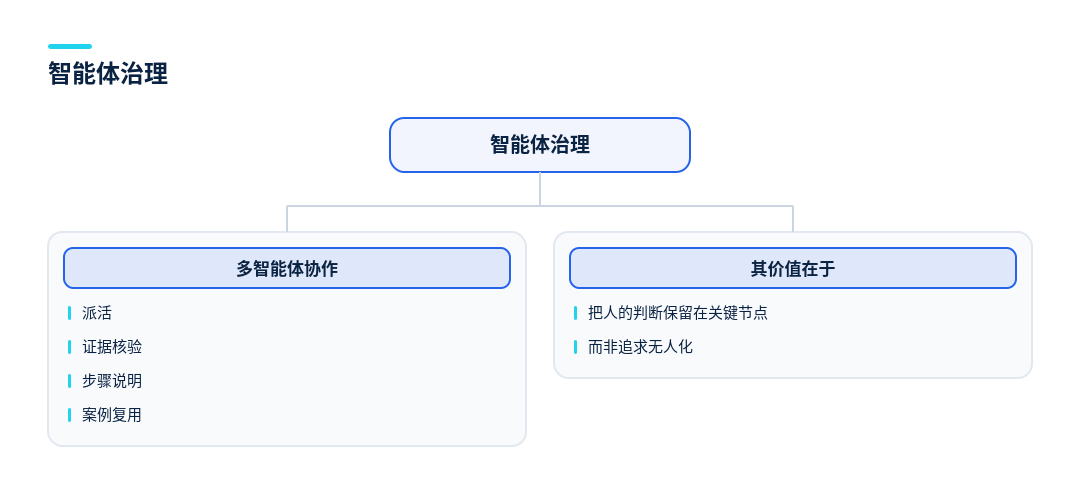
The open-source project solo-to-team-skills packages task delegation, evidence verification, step-by-step instructions, and case reuse, reflecting growing enterprise interest in multi-agent collaboration. Its value lies in retaining human judgment at critical checkpoints rather than pursuing full autonomy. When evaluating similar tools, enterprises should also verify permission isolation, evidence trails, and failure recovery.
Security Landscape: Risks Extend Beyond Enterprise Boundaries
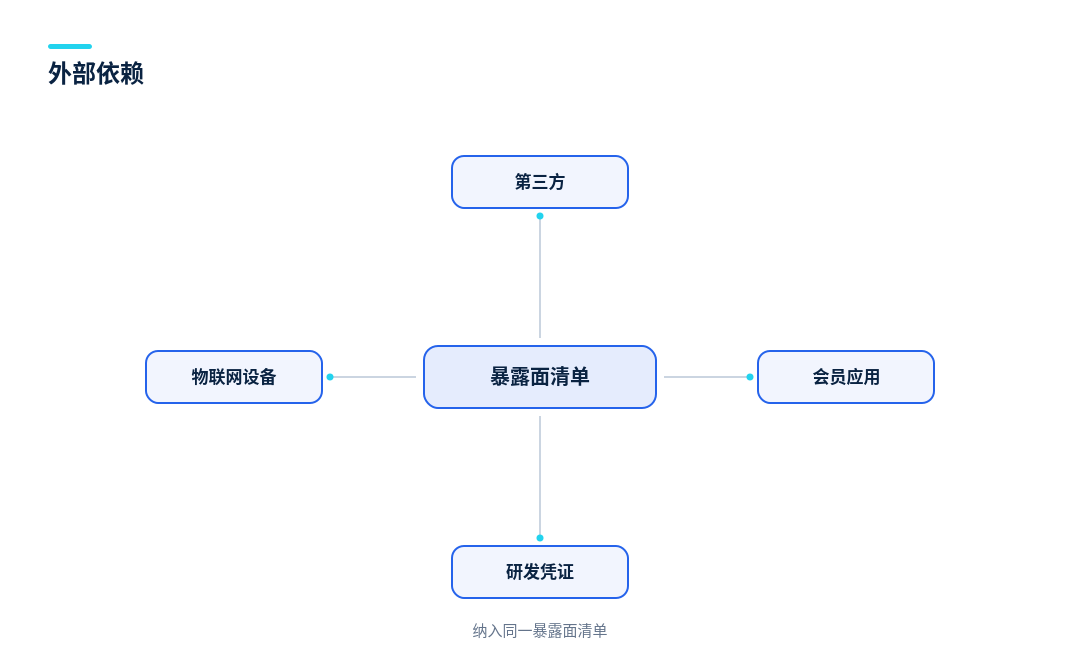
A French bank suffered up to US$133 million in fraud through a service-provider access point, MUJI reported a breach involving 1.09 million customer records, and passwords and keys linked to Claude Code were exposed in 1,122 public GitHub copies; attacks on connected devices have also affected blood-testing laboratories and grocery stores. Management should place third parties, membership applications, development credentials, and IoT devices on the same exposure inventory.
Key Figures
Today's Snapshot
- Featured Items
- 8items
- Topic Groups
- 4groups
- Unity Offer Valuation
- 250billion USD
- MUJI Records at Risk
- 109K records
Market and Industry Watch
Silver Lake and Saudi Public Investment Fund Submit a 25 Billion USD Acquisition Offer for Unity
According to Reuters, citing unnamed sources, a consortium formed by Silver Lake Capital and the Saudi Public Investment Fund has submitted an acquisition offer for Unity Software, valuing the company at approximately 25 billion USD. Unity is carefully considering the offer and has engaged an investment bank as its adviser.
If the offer leads to a transaction, pricing, licensing terms, and service continuity for related tools may change. Businesses that rely on Unity's products should assess alternatives in advance.
H200 Chip Vetting of Chinese Buyers Raises Compliance Concerns
According to The Verge, citing The New York Times, due diligence by the U.S. Department of Commerce and Nvidia on Chinese companies authorized to handle H200 AI chips has come under scrutiny, with New Matrix named on the approved list. The incident has put high-value AI chip approvals, end-user verification, and delivery-address checks in the spotlight of corporate procurement teams and regulators.
Organizations procuring these chips or computing resources should include end users, delivery addresses, distribution channels, and approval documents in a single due-diligence checklist.
AI Update
Bosch Uses Doubao Work for R&D Fault Analysis
At a Bosch R&D division, engineers previously had to gather information from group and private chats, organize fault descriptions by category, identify the appropriate contacts, schedule meetings, and write reports. Now, 豆包工作 and 豆包工作伙伴 handle substantial information organization, coordination, and reporting work after conversations, enabling engineers to begin fault analysis faster.
Enterprises can use measurable stages such as information aggregation, coordination, and reporting as pilot acceptance criteria while retaining engineer reviews and defining clear data boundaries.
Security Incidents
French Bank Hit by Up to 133 Million USD Fraud via Service Provider
French cooperative bank Crédit Mutuel Arkéa suffered a cyberattack in which attackers used a service provider's entry point to conduct fraudulent transactions worth up to 133 million USD. The incident forced the bank to suspend some systems, showing that once a third-party connection is exploited, business risk can quickly cross the boundary between the bank and its supply chain.
Banks and similar organizations should prioritize monitoring of service-provider access points and ensure that anomalous-transaction response and critical-system failover plans are fully coordinated.
MUJI Japan Discloses 1.09 Million Customer Records at Risk
MUJI Japan's official application was accessed without authorization, and an investigation found that 1.09 million customer records were at risk of exposure. MUJI China stated that Chinese consumer data was confirmed secure and unrelated to the incident, and that it had proactively launched a dedicated cybersecurity review, in-depth scans, and remediation.
Retail and membership organizations should independently verify the scope of local data exposure while reviewing application APIs, identity credentials, and customer notification procedures.
Claude Code Credentials Exposed in 1,122 Public GitHub Copies
The Hacker News reported that after a developer selected the “Yes, and don't ask again” option, Anthropic's AI coding assistant Claude Code could save related command settings to a file. Developer-entered passwords and API keys then appeared in public GitHub repositories, with 1,122 public copies accessible for reading.
R&D teams should immediately audit no-confirmation settings and Git history, revoke and rotate exposed passwords and API keys, and restrict the persistence of sensitive commands.
Attacks on Refrigerators and Other Connected Devices Sound a Critical Infrastructure Alarm
WIRED Security reported that attacks on connected devices are escalating, with blood-testing labs and grocery stores among the affected environments. The article noted that basic security oversights can make internet-connected devices a practical risk to critical infrastructure, putting IoT device management back at the forefront of enterprise security agendas.
Organizations should inventory connected-device assets, isolate unpatched or unidentified devices, and bring laboratories, retail operations, and supporting systems under unified monitoring.
Open Source Spotlight
solo-to-team-skills: A Skill Set for Human-Led AI Teams
GitHub's new high-star repository dabingfy-dot/solo-to-team-skills has earned 133 stars. It is designed to support human-led AI teams by assigning tasks to agents, verifying evidence, explaining steps clearly, and reusing lessons from real cases. The project emphasizes collaboration and human oversight rather than automation alone.
Teams can adopt its human-AI division of labor for approval and evidence verification, but should still review the code's provenance, permission boundaries, and data-handling practices before adoption. For more open-source project insights, see [AI Radar](/ai-radar/opensource).
Follow Zhaoxun
Get daily updates on the latest AI and Information Security developments, and contact us to discuss your security requirements.