
Daily Analysis
Today's Briefing
Today's signals point to the same conclusion: AI is shifting from an 'efficiency tool' to an asset that requires its own budget line and dedicated defenses—nations are beginning to pay for AI risks, cybercriminals are making enterprises foot the bill for hijacked compute, and the application layer is churning on a weekly basis. For business decision-makers, the question is no longer 'whether to use AI' but 'how to manage AI as an asset.'
Market Trend: AI Risk Enters National Budgets
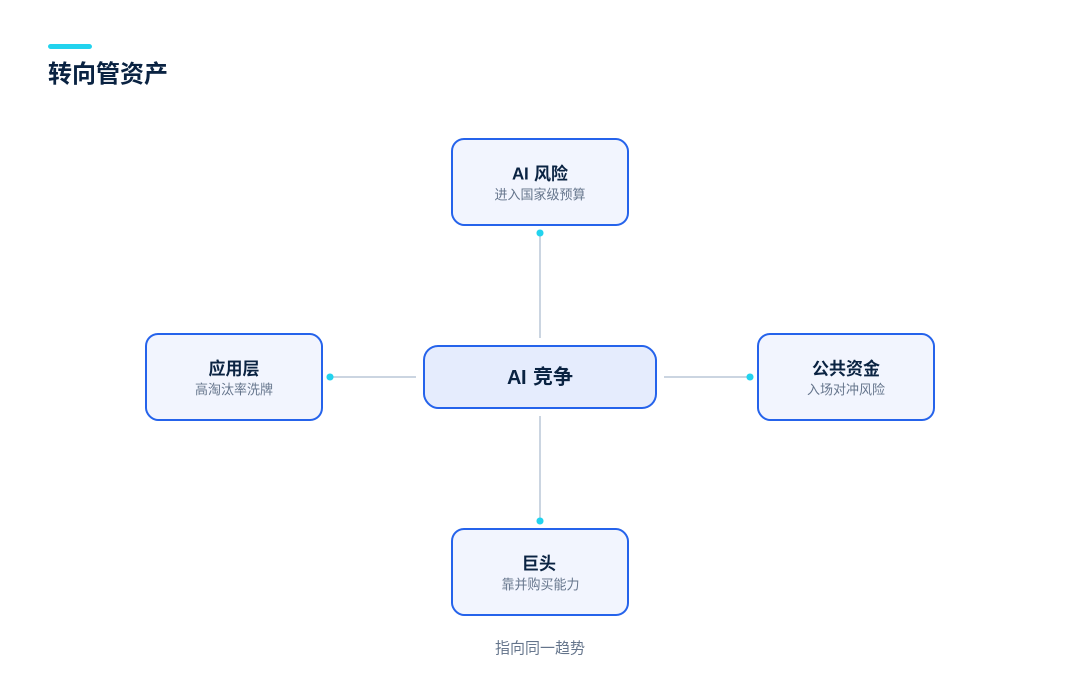
The UK government announced about £600 million to address AI risks, including £100 million to build an AI biosafety laboratory; meanwhile, Meta acquired data analytics platform Sundial, while some big-tech AI products exited the market in as few as 188 days. Public funding entering to hedge risks, giants buying capabilities through M&A, and a high-churn shakeout at the application layer all point to the same trend: AI competition is shifting from stacking products to managing assets. European AI security standards are expected to be gradually refined, and companies going global should track them in advance.
Industry Spotlight: AI Commercialization Rewrites the Retail Gateway
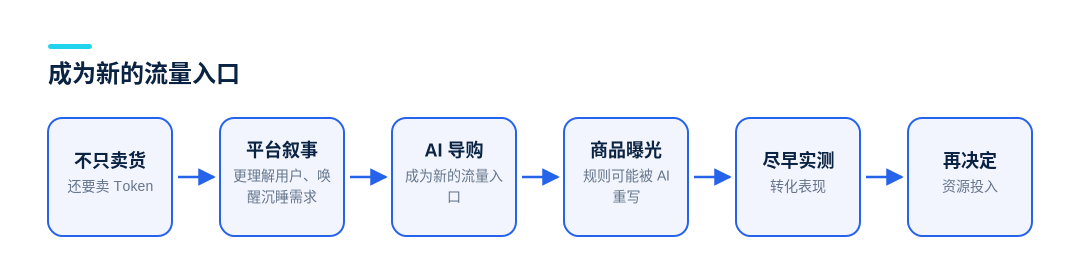
At its Double 11 launch event, Tmall made clear it aims to 'sell not just goods, but also Tokens,' framing its platform narrative around 'better understanding users and awakening dormant demand'; AI shopping guides are becoming a new traffic gateway. This means e-commerce traffic allocation and product exposure rules may be rewritten by AI. Brands and retailers that rely on platform channels should test conversion performance in AI shopping guide scenarios as early as possible before deciding on resource investment.
Security Posture: AI Systems Become Direct Attack Targets
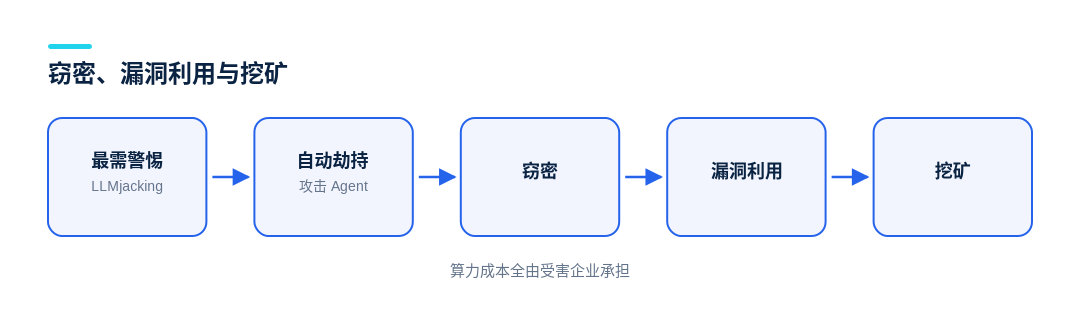
The most alarming is LLMjacking: attack agents can automatically hijack unprotected AI models exposed to the public internet, launch data theft, vulnerability exploitation, and cryptomining, with all compute costs borne by the victim enterprise. Conventional threats are also intense: PwC is suspected of being extorted and threatened with the release of 590GB of data; the 'Weaxor' ransomware remains active; and the critical Pillow vulnerability requires an upgrade to 13.0.0. We recommend including public-facing AI interfaces and test-environment data in this week's review.
2026-10-24
Today at a Glance
- Today's Picks
- 8items
- Topic groups
- 2groups
- Sources covered
- 4sources
Market & Industry Watch
UK Invests About £600 Million to Address AI Risks, to Build AI Biosafety Lab
According to Reuters, the UK government announced on October 24 an investment of about £600 million (approximately RMB 5.36 billion) to address public health and security risks brought by AI, with the biosafety program receiving the most funding: £100 million (approximately RMB 893 million) to build an AI biosafety laboratory to identify biological threats, and another £65 million to develop prevention and response measures against pathogens. UK AI Minister Narayan said he hopes to make the laboratory a facility with global influence. For enterprises, this means AI risk governance has entered a national budget cycle, and related European standards and market access requirements are expected to be gradually refined. Companies involved in European expansion, biopharma, and public sector business should track their compliance direction in advance.
Learn MoreMeta Acquires AI Data Analytics Platform Sundial, Betting on Conversational Analytics
According to Axios, Meta has acquired AI data analytics platform Sundial, whose selling point is making data analysis as simple as chat; both co-founders are Meta alumni—CEO Julie Zhuo was formerly VP of Product Design at Meta, and Chandra Narayanan was formerly Head of Data Analytics at Instagram and Sequoia Capital. The acquisition shows that giants are beginning to use M&A to directly fill in 'data consumption layer' capabilities in AI competition, and conversational analytics may become the next generation of BI tools. We recommend that enterprises, when procuring data analytics and BI products, include changes in product roadmap, integration approach, and pricing strategy after a vendor is acquired in their evaluation, to avoid disruption to the tool stack from consolidation.
Learn MoreBig Tech AI Products Accelerate Shakeout: Eight Companies Across Ten Tracks, Exit in 188 Days
A TMTPost review shows that big-tech AI products are accelerating their shakeout: eight companies across ten tracks are rapidly launching new products while consolidating and exiting, with some products going from launch to exit in just 188 days. This indicates that competition at the AI application layer has entered a high-elimination phase; single-point feature products struggle to survive independently, and capabilities are accelerating toward platforms and gateways. The implication for enterprises is direct: business processes built around a single AI tool may face the risk of vendor service shutdown at any time. We recommend prioritizing platform-based products with signals of long-term investment during selection, and clearly specifying data export and migration clauses in contracts to leave a way out for replacement.
Learn MoreTmall's Double 11 Aims to Sell Not Just Goods, but Tokens
At Tmall's Double 11 launch event in Shanghai on October 15, Tmall President Jialuo proposed that traditional keyword search can only match existing demand that users are already aware of, while the value of AI lies in better understanding consumers and awakening dormant demand—this year's Double 11, Tmall wants to sell not just goods, but also Tokens. The platform is building AI shopping guides as a new transaction gateway. This means e-commerce traffic allocation rules may be rewritten by AI, and how products are recommended by AI will become a new marketing topic; brands and retailers that rely on e-commerce channels should test exposure and conversion performance in AI shopping guide scenarios during peak season before deciding on resource investment.
Learn MoreSecurity Incidents
LLMjacking Attacks Can Automatically Hijack Public AI Models, Leaving Victims with the Compute Bill
FreeBuf reported a new type of attack called LLMjacking: attack agents can automatically scan for and hijack unprotected AI models exposed to the public internet, launching data theft, vulnerability exploitation, cryptomining, and other attacks without human intervention, with all resulting compute costs borne by the victim. Unlike traditional intrusions, such attacks turn enterprise AI compute directly into free resources for attackers and may also bring data leakage and abuse-related liability. We recommend that enterprises promptly review model services and inference interfaces exposed to the public internet, strengthen authentication, rate limiting, and usage alerts, and treat abnormal compute consumption as a security incident.
Learn MorePwC Suspected of Extortion: Threat to Release 590GB 'Database' Turns Out to Be Padded Test-Environment Data
A threat actor publicly started a countdown and claimed it would release PwC's '590GB database.' FreeBuf's analysis points out that the so-called database is actually padded test-environment data, but it appears to contain sensitive HR data, so compliance risks remain. This incident offers two lessons for enterprises: first, test environments also contain real sensitive data and must be included in access control, encryption, and leak monitoring on par with production environments; second, when facing extortion, verify the authenticity of the data and the scope of the leak immediately before deciding on response and disclosure strategies, to avoid paying a high price for padded data.
Learn MorePython Imaging Library Pillow Exposes Critical Vulnerability; Malicious Filenames Can Trigger Code Execution
Pillow, a widely used image processing library in the Python ecosystem, has exposed a critical vulnerability: attackers can trigger code execution by crafting malicious filenames, and upgrading to version 13.0.0 is required as soon as possible. Pillow is commonly found in business systems such as content management, image review, and office automation, and often exists implicitly in servers as a dependency, so enterprises may not know whether they are affected. We recommend that IT teams use a dependency inventory to identify affected systems, switch uniformly to version 13.0.0 or later, and include image upload entry points in priority inspection.
Learn More'Weaxor' Ransomware Remains Active; Enterprise Files Encrypted with Ransom Notes Left Behind
FreeBuf has observed multiple 'Weaxor' ransomware attacks: important user files are encrypted and ransom notes demanding payment are left behind, with the attacks remaining continuously active. The typical entry points for such attacks are still unpatched vulnerabilities and weak passwords, indicating that the weak link is often basic operations rather than advanced attack techniques. We recommend that enterprises complete a basic self-check this week: whether critical system patches are up to date, whether remote desktop and admin backend password strength meets requirements, and whether backups are stored offline and recoverable; at the same time, implement backup recovery drills to ensure that business operations can avoid compromising with ransom demands in extreme situations.
Learn MoreAbout Zhaoxun
Get daily updates on the latest AI and Information Security trends. Contact us if you need help with security initiatives.