
Today's Briefing
AI competition is shifting from “what models can answer” to “whether agents can complete tasks independently over time”: MCP monthly downloads have exceeded 700 million, while Claude has closed the loop across code review, remediation, and approval. OpenAI has published pretraining curves and proposed a joint training ceiling as debate over frontier-model controllability intensifies; enterprises must evaluate protocol integration, supply continuity, and verifiability.
Models & Products: Reasoning Demonstrations and Coding Loops Advance in Parallel
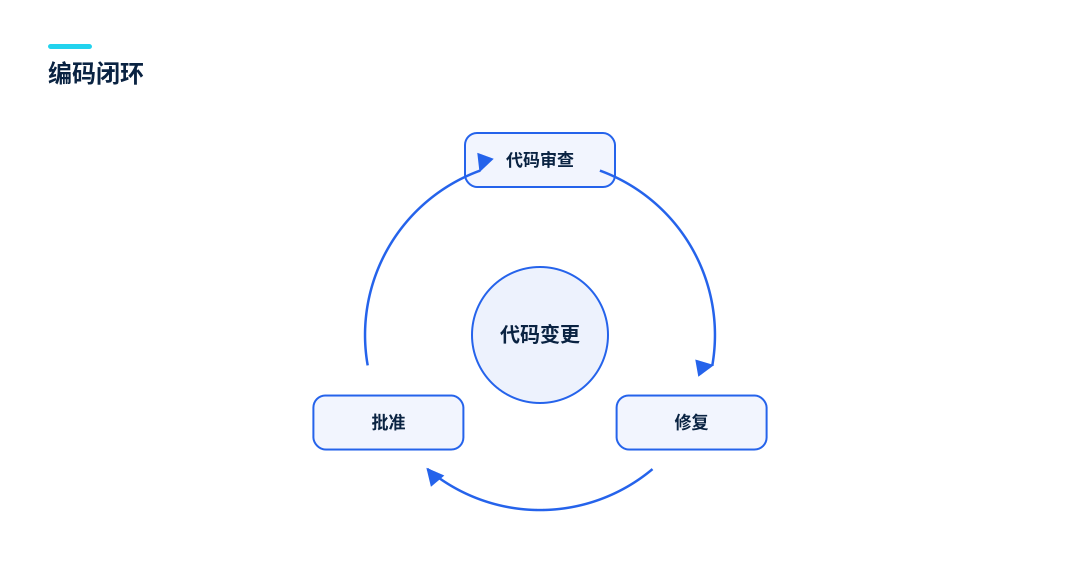
GPT 6.2 Astra solved a historical puzzle, but available information provides no task details, evaluation methodology, or cross-generation comparisons, making it a capability signal for now. Claude Ship has entered testing and can automatically review, correct, and approve proposed code changes according to team standards; enterprises should include human approval gates and rollback mechanisms in acceptance testing.
Research Frontiers: Dynamic Code Rewrites Software Verification Boundaries
Researchers at TU Darmstadt in Germany have called for computer science to be redefined as “Computer and AI Science,” driven by concern that runtime-generated code weakens traditional safety and correctness guarantees. For enterprises, dynamic code requires a fresh review of validation processes, provenance tracking, and accountability boundaries for production deployment.
Open-Source Ecosystem: MCP Monthly Downloads Top 700 Million
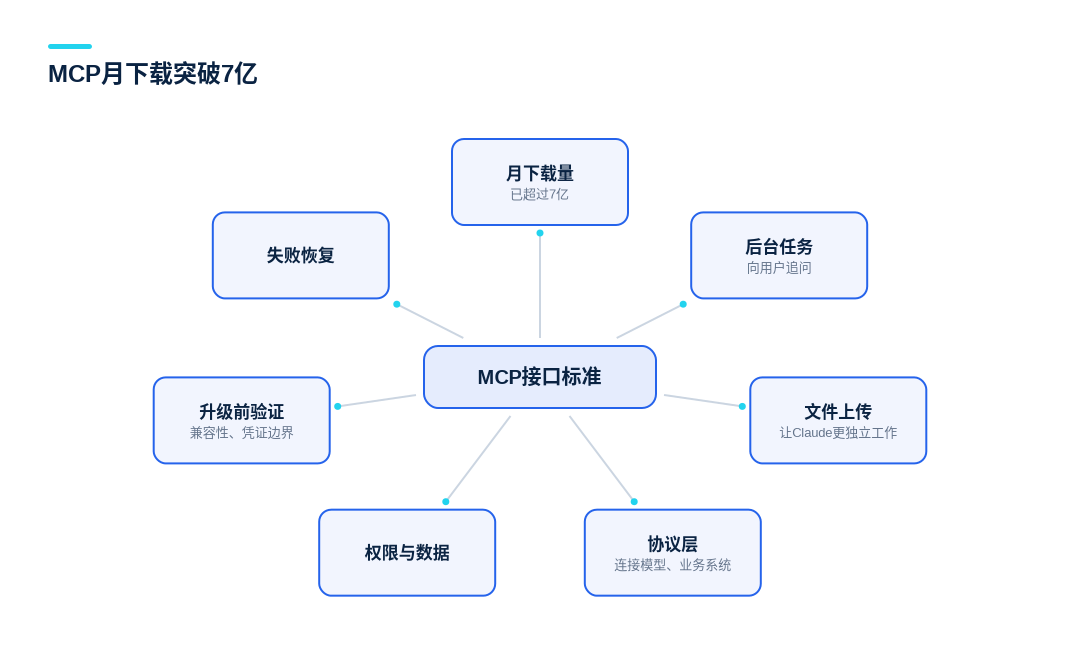
Two years after its launch, the MCP interface standard has surpassed 700 million monthly downloads and added background tasks, follow-up questions, and file uploads to help Claude work more independently. Enterprises should treat it as the protocol layer connecting models, business systems, permissions, and data, and validate compatibility, credential boundaries, and failure recovery before upgrading.
Industry & Regulation: Training Boundaries and Release Cadence Draw Attention
Latent Space reports that Nvidia is bringing founder Jensen back, while OpenAI published internal loss curves and proposed a joint training ceiling; other reports indicate that OpenAI and Anthropic are discussing whether to pause releases or even training. These signals point to training governance and release continuity, respectively, prompting enterprises to assess model availability.
Today at a Glance
- Featured Developments
- 6items
- Content Sections
- 4groups
- Independent Sources
- 3sources
- Monthly MCP SDK Downloads
- 700M+
Models & Products
GPT 6.2 Astra Shows Historical Puzzle-Solving Capability
Simon Willison reports that GPT 6.2 Astra solved a historical puzzle; missing task details, methods, and comparisons limit conclusions about general reasoning.
Request comparable benchmarks, failure cases, and reproducible validation before critical deployment; compare current vendor pricing and plans in AI Radar.
Claude Ship Enters Testing for Automated Code Changes
Anthropic’s Claude Ship test version reviews, fixes, and approves proposed code changes against team rules; languages, deployment, permissions, and scope remain unspecified.
Restrict writable branches and merge permissions; validate outputs through test gates, human review, and rollback records.
Research Frontiers
German Researchers Call to Redefine Computer Science
A TU Darmstadt position paper proposes redefining computer science as “Computer and AI Science,” citing runtime-generated code as a threat to software safety and correctness.
Reassess provenance, automated testing, and accountability for runtime-generated code before reusing pre-release validation.
Open-Source Ecosystem
MCP Tops 700 Million Monthly Downloads, Extending Autonomous Agent Capabilities
Anthropic reports MCP surpassed 700 million monthly downloads after two years, adding background tasks, user prompts, and file uploads for greater Claude autonomy; figures are not deployment counts.
Treat MCP as the critical protocol layer connecting models and business systems; verify compatibility, least privilege, and recovery before upgrades. See AI Radar for more open-source analysis.
Industry & Regulation
Nvidia Founder Returns; OpenAI Proposes Joint Training Ceiling
Latent Space reports Nvidia is bringing founder Jensen back, while OpenAI published internal loss curves and proposed a joint training ceiling. Microsoft’s role and the ceiling’s definition, scope, and timing remain unclear.
Track training-resource rules and vendor governance, which may shape release schedules, compute supply, and model availability.
OpenAI and Anthropic Reportedly Discuss Pausing Model Releases
The Decoder cites Axios: dozens of OpenAI and Anthropic insiders say unreleased frontier models go beyond what safety measures can control. Both firms are reportedly discussing pauses on releases or training, without formal confirmation.
Plan for release delays, version withdrawals, and API changes through multi-vendor and fallback strategies.
Explore Zhaoxun
Get daily updates on the latest AI and Information Security developments, and contact us about your security program needs.